Yak, Alpaca, Camel, Bison & Beyond: Understanding Luxury Fibers

The materials I usea are never an afterthought. I work primarily with luxury fibers — alpaca, yak, bison, camel and fine wool — chosen for their softness, strength, and the quiet richness they bring to tactile art. These fibers carry warmth, resilience, and the memory of the environments that shaped them, giving each finished piece depth that extends beyond the visual.
Not all fiber is created equal.
Some fibers are simply materials. Others carry landscape, climate, endurance, and time within every strand.
The fibers I work with — alpaca, yak, bison, and fine sheep wool — are considered luxury fibers not because of trend or rarity alone, but because of their extraordinary qualities and the environments that shape them.
Understanding these fibers reveals why they feel different, perform differently, and bring a deeper presence to textile art and interior spaces.
Alpaca: Softness Without Weight
Alpaca fiber is renowned for its remarkable softness and lightness. Unlike sheep wool, it contains little to no lanolin, making it naturally hypoallergenic and exceptionally smooth to the touch.
Qualities:• Silky softness• Lightweight warmth• Hypoallergenic• Low pilling and strong durability
Alpaca insulates without heaviness, offering warmth while maintaining breathability. In textile art, it contributes both softness and luminous texture.
Yak: Warmth Born from Extreme Climate
Yak fiber comes from animals that survive harsh Himalayan winters at high altitudes. To endure extreme cold, yaks grow a soft insulating undercoat that is both warm and remarkably fine.
Camel: Desert Heritage, Locally Sourced
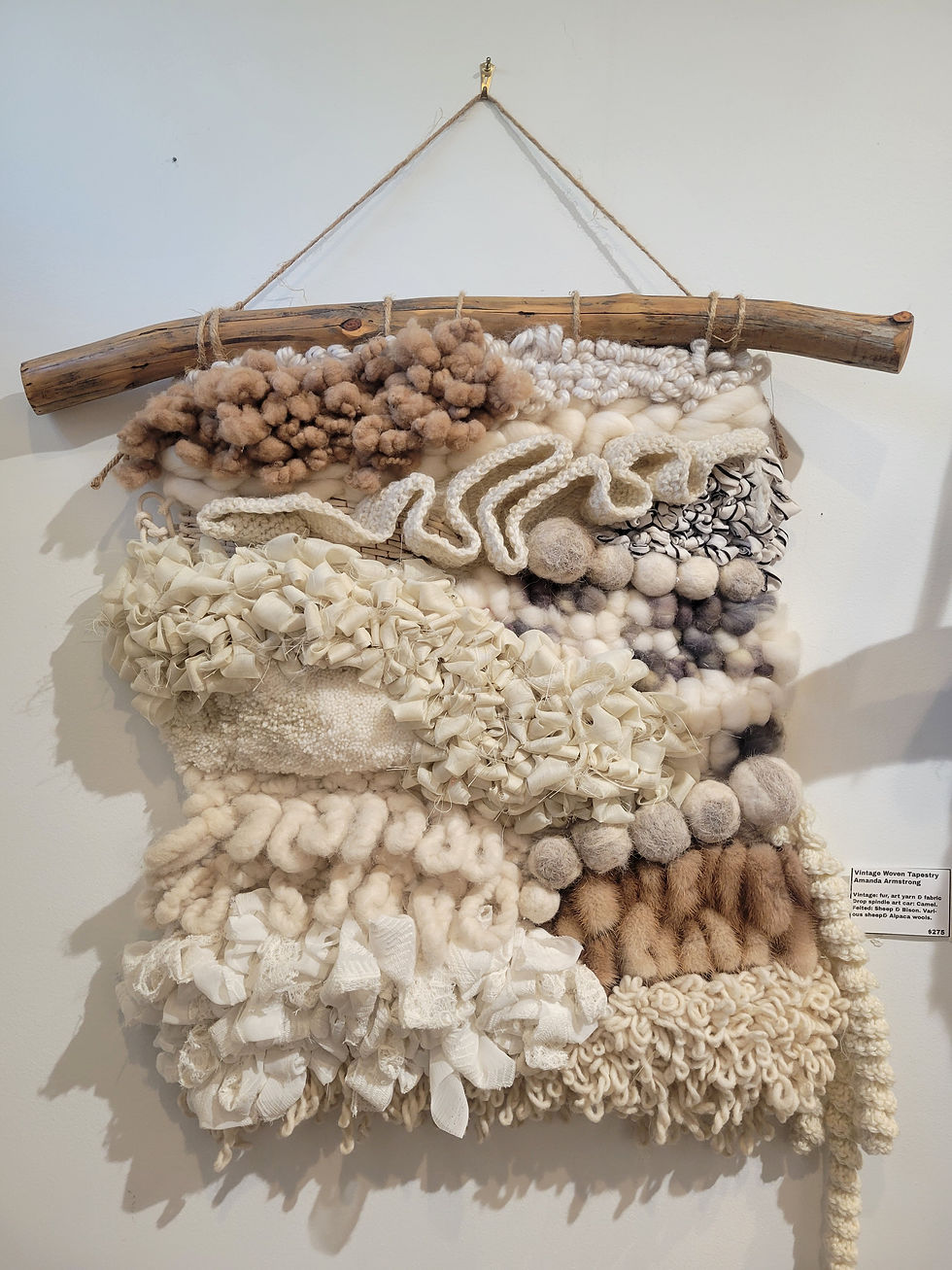
The camel fiber I use comes from Bactrian camels raised in Colorado and on small North American farms. These animals, adapted to extreme climates, grow a fine insulating undercoat that protects them from both freezing temperatures and intense heat.
Each spring, camels naturally shed this soft down, which is gently collected, cleaned, and prepared for use. This seasonal harvest honors the animal’s natural cycle while preserving the exceptional qualities of the fiber.
Once processed, camel fiber reveals remarkable softness often compared to cashmere, with natural hues ranging from warm sand to deep caramel.
Qualities:• Exceptionally soft and lightweight• Excellent thermal regulation• Breathability and warmth• Natural earth-toned color palette• Durable and resilient
Sourcing camel fiber from regional farms connects the work to a living network of small-scale agriculture and ethical fiber stewardship. It carries both the endurance of desert lineage and the care of contemporary North American farming practices.
In textile art, camel fiber contributes grounded warmth, subtle sheen, and a quiet refinement that feels both ancient and immediate.
Qualities:• Exceptional warmth• Fine, soft texture• Lightweight insulation• Natural breathability
Yak fiber brings depth and softness while carrying the resilience of the landscapes from which it originates.
Bison: Strength with Unexpected Softness
Often associated with ruggedness, bison fiber reveals a surprising softness once processed. The dense undercoat provides insulation and durability while maintaining a soft hand.
Qualities:• Strong and durable• Warm and insulating• Soft undercoat fibers• Natural earth-toned hues
Bison fiber carries a quiet strength — grounding, warm, and enduring.
Fine Wool: The Foundation Fiber
Fine sheep wool remains one of the most versatile fibers in textile tradition. When sourced thoughtfully and processed with care, it offers resilience, elasticity, and structure.
Qualities:• Excellent resilience• Natural elasticity• Temperature regulation• Long-lasting durability
Wool provides structural integrity and balance within fiber compositions.
Why Luxury Fibers Matter
Luxury fibers are not about status — they are about experience.
They regulate temperature naturally. They breathe . They last. They soften with time. They carry the landscapes they come from.
In fiber art, these materials create depth, warmth, and tactile richness that synthetic or mass-produced fibers cannot replicate.
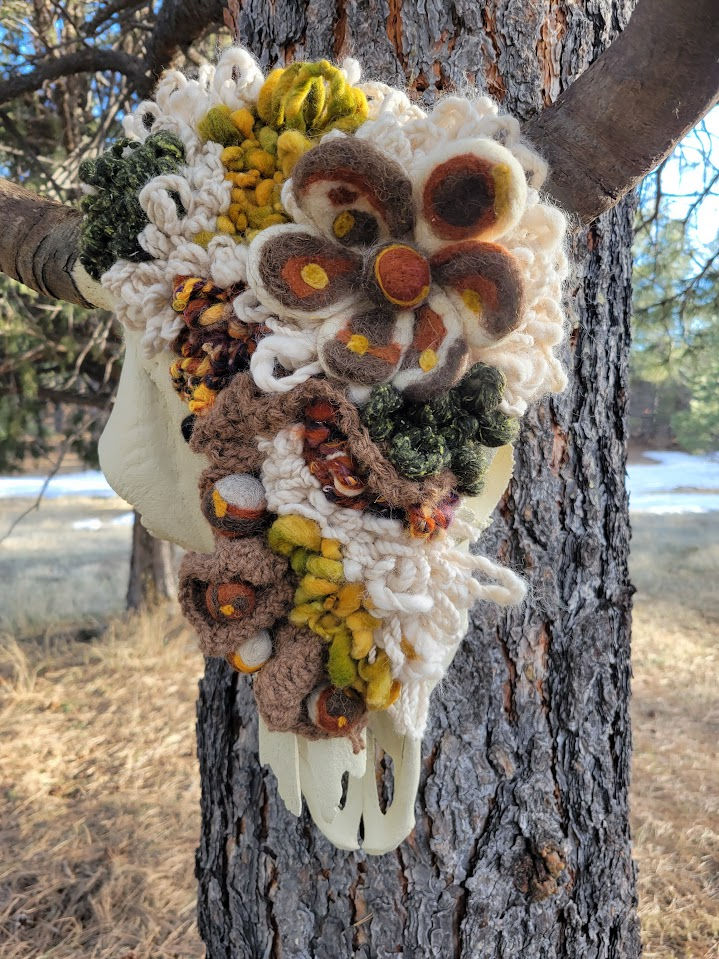
When woven, felted, or sculpted into form, they hold light differently, invite touch, and bring a quiet presence into a space.
Material as Memory
Every fiber holds its origin story — mountain wind, winter cold, grazing land, and the passage of seasons. When these fibers are transformed into art, those stories remain embedded within the material.
This is the quiet luxury of natural fiber: beauty shaped by endurance, environment, and time.
Curious to feel the difference for yourself?Explore current works created from these fibers or find where they can be experienced in person.


Comments